



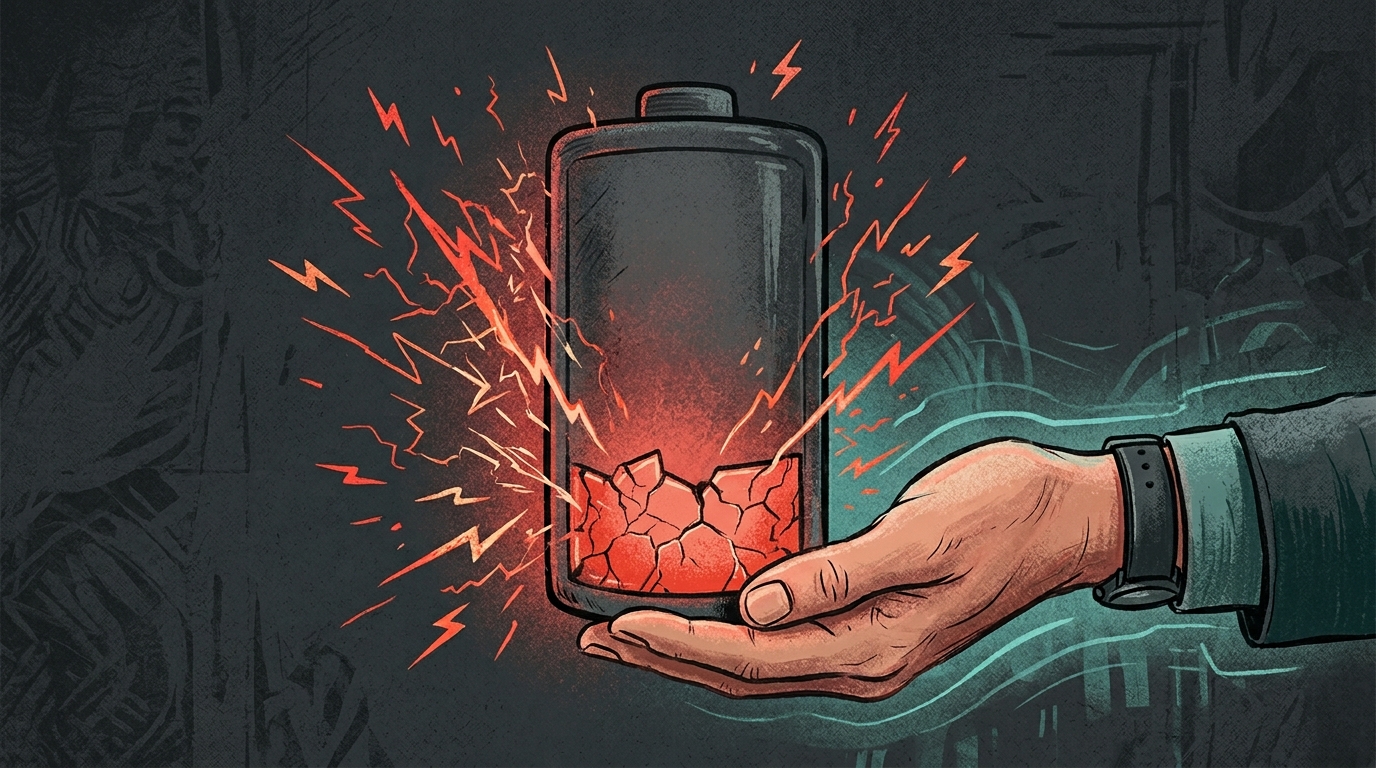
ADHD caregiver burnout is a state of physical, emotional, and mental exhaustion caused by the prolonged, high-intensity demands of supporting a neurodivergent child or partner. Unlike standard parenting fatigue, this burnout is driven by the constant “vigilance” required to manage executive dysfunction, sensory meltdowns, and emotional dysregulation. Recognizing the early warning signs is critical to preventing long-term health complications and preserving the family bond.
Fatigue vs. Burnout: What’s the Difference?
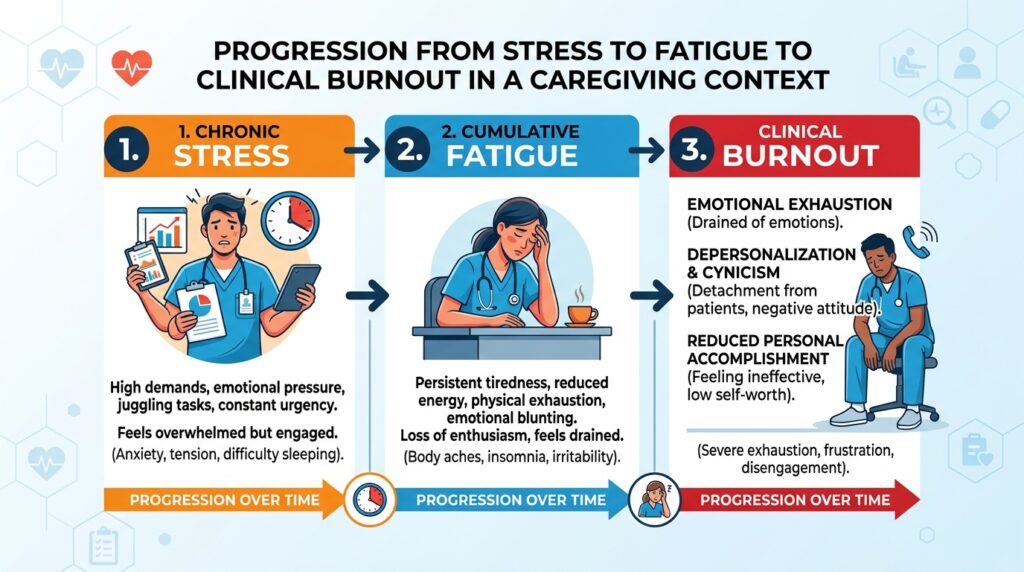
While all parents experience tiredness, burnout is characterized by a “bone-deep” exhaustion that sleep cannot fix. In my 15+ years of clinical practice in Ontario, I describe it as operating on a “dead battery” where the cognitive load of caregiving has finally exceeded the nervous system’s capacity to recover.
1. Chronic Irritability and “Sensory Rage”
Do you find yourself snapping over small things, like the sound of a toy or a simple question? When you are in burnout, your “sensory cup” is permanently full. Minor inputs trigger a “fight-or-flight” response, leading to what many parents describe as “parental rage” followed by intense guilt.
2. Emotional Detachment or “Checking Out”
To protect itself from further stress, your brain may begin to “numb” your emotions. You might feel like you are “going through the motions” without any real connection to your child or partner. This is a survival mechanism known as depersonalization.
3. The “Brain Fog” of Executive Overload
ADHD caregivers often manage the executive functions of two or more people. If you find yourself forgetting your own appointments, losing keys daily, or feeling unable to make simple decisions (Decision Fatigue), your cognitive resources are likely depleted.
4. Physical Symptoms without Medical Cause
Burnout often manifests in the body. Common signs among my Ontario clients include:
- Chronic tension headaches or migraines.
- Persistent digestive issues or “nervous stomach.”
- Frequent illnesses due to a suppressed immune system caused by high cortisol.
5. Feelings of Inadequacy and “Failed” Parenting
Burnout often leads to a distorted self-view. You may feel that you are a “bad parent” because you can no longer meet the demands of neuro-affirming care with the patience you once had. This is a symptom of the condition, not a reflection of your character.
6. Loss of Interest in Personal Identity
When was the last time you did something that wasn’t for your child or your household? A key sign of burnout is the total erosion of the “self.” You feel like a “caregiving machine” rather than an individual with interests and joy.
7. Hyper-Vigilance and Inability to Rest
Even when the house is quiet, you can’t relax. You are waiting for the next “crisis,” the next school call, or the next meltdown. This state of “high alert” keeps your nervous system in a state of chronic stress.
Recovery Starts with Neuro-Affirming Support
Burnout is not a sign of weakness; it is a sign that you have been carrying too much for too long without enough support. At Inner Journey with Maria, we help Ontario parents validate their experience and move toward a low-demand lifestyle that allows the nervous system to heal.
References
- Mikolajczak, M., & Roskam, I. (2020). Parental Burnout: Moving the Focus from Children to Parents. New Directions for Child and Adolescent Development.
- CADDRA (Canadian ADHD Resource Alliance). (2024). Impact of ADHD on the Family System. https://www.caddra.ca
- Maslach, C., & Leiter, M. P. (2016). Understanding the Burnout Experience: Recent Research and Its Implications for Practice. World Psychiatry.
- Porges, S. W. (2021). Polyvagal Theory: A Primer. W. W. Norton & Company.