


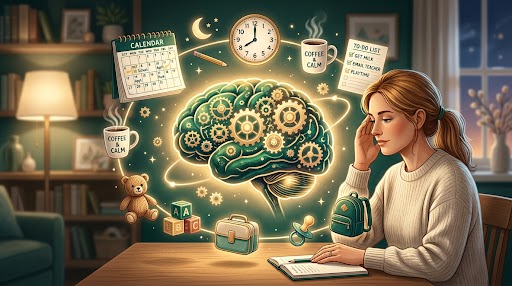
For decades, the conversation about postpartum depression focused almost exclusively on the emotional stress of becoming a parent. That framing, while well-intentioned, has caused enormous harm. It implies that struggling is a response to circumstances, something that could be managed with better coping, more support, or a different attitude.
The biology tells a different story. Postpartum depression is triggered by the most significant hormonal shift the human body can experience, and understanding that your symptoms are rooted in physiology rather than personality is where recovery begins.

The Hormonal Crash: What Happens in Your Brain After Birth
The hormonal crash that follows childbirth is the primary biological trigger for postpartum depression. During pregnancy, estrogen and progesterone rise to levels hundreds of times higher than normal. Within hours of the placenta being delivered, both hormones plummet to pre-pregnancy baselines. Research suggests this drop, among the most rapid hormonal changes the human body undergoes, directly disrupts the brain systems that regulate mood, sleep, and anxiety.
The Neurosteroid Connection
Estrogen and progesterone do not only maintain a pregnancy. They function as neurosteroids, interacting directly with neurotransmitters in the brain, including GABA and serotonin, which govern mood stability, sleep quality, and anxiety levels. When these hormones disappear rapidly, the brain’s stabilising system is temporarily compromised. The nervous system is left exposed, which is why postpartum depression and postpartum anxiety so often appear together in the weeks after birth.
This is not a failure of resilience. It is neurochemistry.
The Thyroid Factor: When PPD Is Being Mimicked
Postpartum thyroiditis is a condition that affects an estimated 5 to 10 percent of women after birth, according to the American Thyroid Association. Because the thyroid regulates energy, metabolism, and mood, an underactive thyroid after birth can produce symptoms that are clinically indistinguishable from PPD.
Symptoms to watch for include:
- Profound fatigue that sleep does not resolve.
- Brain fog and difficulty retaining information.
- Persistent low mood or emotional flatness that does not shift with circumstances.
If you are experiencing these symptoms, ask your physician for a full thyroid panel including TSH, T3, and T4. Ruling out a thyroid imbalance is an important first step before assuming the cause is purely psychological. The two conditions can also occur simultaneously.
Understanding what is driving your symptoms determines what will actually help. That is why the biological picture matters so much.
Sleep Deprivation and the Stress Axis
Biological stress is not just a state of mind. It is a measurable physical condition driven by the HPA axis, the hypothalamic-pituitary-adrenal system that governs the body’s stress response. Chronic sleep deprivation, which is inevitable in the early postpartum period, activates this system continuously.
When the HPA axis is chronically activated, the body remains in a sustained state of physiological alertness, flooding the system with cortisol. Elevated cortisol over time interferes with the brain’s ability to repair the neurotransmitter pathways already disrupted by the initial hormonal drop after birth. The two processes compound each other.
This is why even small amounts of protected sleep, where a partner or support person takes a full night feed so the birthing parent can sleep a consecutive block, can have a measurable effect on mood stability. It is not a luxury. It is a clinical intervention.
Is It Genetic? Understanding Hormonal Sensitivity
Not everyone who experiences the same hormonal crash develops PPD, which raises the question of why some people are more vulnerable than others. Research points to genetic sensitivity as a significant factor. For some individuals, the brain is more reactive to the rate of change in hormone levels than to the absolute levels themselves.
This is why PPD is best understood as a medical condition, comparable in its mechanism to gestational diabetes. It is not about emotional fragility. It is about how a specific biology responds to a specific physiological transition. A personal or family history of depression, premenstrual dysphoric disorder (PMDD), or mood sensitivity during hormonal shifts are all indicators of this kind of vulnerability.
Knowing this before pregnancy allows for proactive monitoring and earlier intervention when symptoms appear.
Moving Toward Healing
Because PPD has a biological foundation, effective recovery usually requires a biological response alongside psychological support. No single approach is sufficient for everyone, and what helps depends on which biological mechanisms are most active for that individual.
- Nutritional support: Replenishing depleted vitamins, particularly B6, B12, and Vitamin D, supports neurotransmitter production and is often one of the first practical steps a physician will recommend.
- Medication: SSRIs can help stabilise serotonin levels while the brain recalibrates after the hormonal shift. This is a conversation to have with your prescribing physician, not a decision to make alone.
- Protected sleep: Even short consecutive sleep blocks can lower cortisol and allow the nervous system to begin recovering. Coordinating this with a partner or support person is one of the most clinically meaningful things a family can do in the early weeks.
- Therapy: CBT and somatic approaches help regulate the nervous system, address the thought patterns that PPD generates, and support the recovery process alongside any medical treatment. You can learn more about how I approach postpartum therapy in Newmarket.
A Note From Maria
“I often tell my clients that you cannot think your way out of a hormonal crash any more than you can think your way out of a broken leg. The moment someone understands that their symptoms have a biological explanation, the shame usually begins to lift. That shift, from self-blame to self-understanding, is often the first real step toward recovery.”
Frequently Asked Questions About the Biological Causes of PPD
How long does the hormonal crash after birth last?
The initial drop in estrogen and progesterone occurs within 48 hours of birth. However, hormone levels continue to fluctuate for weeks and months postpartum, particularly in people who are breastfeeding, where estrogen remains suppressed. This is why postpartum depression can emerge weeks after birth rather than immediately, and why symptoms can persist or worsen before they improve.
Can postpartum depression happen after a second or third pregnancy?
Yes. A previous experience of PPD is one of the strongest predictors of recurrence in subsequent pregnancies. Because the biological trigger, the hormonal crash, occurs with every birth, individuals with hormonal sensitivity are at elevated risk each time. Knowing this allows for proactive planning with your care team before the birth rather than waiting to see how you feel afterwards.
Is postpartum depression different from the baby blues?
The baby blues affect an estimated 70 to 80 percent of new parents and typically resolve within two weeks as the body begins to stabilise after the initial hormonal drop. PPD is distinct in that it is more severe, longer-lasting, and significantly impairs daily functioning. If low mood, anxiety, or emotional numbness persists beyond two weeks after birth, a clinical assessment is the appropriate next step.
Sources
This article is for informational purposes only and does not constitute medical or psychological advice. It is not a substitute for professional assessment, diagnosis, or treatment. If you are experiencing postpartum symptoms, please consult a qualified healthcare provider. If you are in crisis, contact Crisis Services Canada: 1-833-456-4566 (24/7, toll-free). Maria Korchagina is a Registered Psychotherapist (Qualifying), CRPO Registration 17092, practicing virtually across Ontario.