



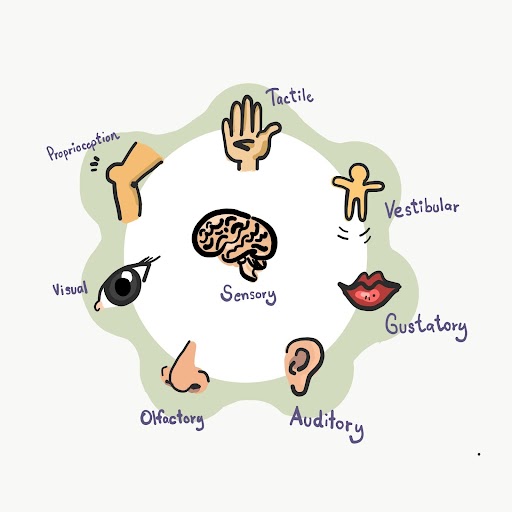
Sensory overload in neurodivergent parents occurs when the brain receives more input from the environment, noise, touch, light, or smells than it can process, triggering a “fight-or-flight” survival response. For parents with ADHD or Autism, the relentless sensory demands of child-rearing can lead to “sensory rage” or total shutdown. Managing this requires moving beyond “toughing it out” and instead implementing proactive sensory regulation and environmental modifications.
Understanding the “Sensory Cup”
In clinical practice, we often use the metaphor of a “Sensory Cup.” Every sound, sticky hand, and bright light adds liquid to your cup. For neurotypical parents, the cup may be large or drain quickly. For neurodivergent parents, the cup may be smaller or have a “clogged drain” due to processing differences. When the cup overflows, you experience sensory overload.
1. Audit Your Auditory Environment
Noise is often the primary trigger for parental sensory overload. You cannot stop your children from being loud, but you can change how your brain receives that sound.
- High-Fidelity Earplugs: Tools like Loop earplugs or Flare Calmer reduce the “sharpness” of high-pitched noises (screaming, clanging toys) while still allowing you to hear a child’s voice and maintain safety.
- Noise-Canceling Headphones: Use these during “high-friction” times, such as cooking dinner or cleaning, to provide a consistent, soothing auditory input like brown noise or a familiar podcast.
2. Managing the “Touched Out” Phenomenon
“Touched out” is a common experience where a parent reaches their limit for physical contact. For a neurodivergent parent, this is not just fatigue; it is a physiological rejection of tactile input.
- The “Sensory Bubble”: Communicate with your children using age-appropriate language. “Mommy’s body needs a 5-minute bubble right now so my battery can recharge.”
- Tactile Swaps: If you are touched out but your child needs connection, try “back-to-back” sitting or “heavy work” activities like a “sandwich” (pressing them gently between two pillows) which provides calming proprioceptive input without the direct skin-on-skin contact that may feel overwhelming.
3. Visual and Olfactory De-escalation
We often ignore how light and smell contribute to our “cup” overflowing.
- Lighting: Swap harsh overhead LEDs for warm lamps or “fairy lights.” Dimmer environments naturally lower the nervous system’s arousal level.
- Olfactory Anchors: If the smell of diapers or old food is a trigger, keep a “scent roller” with a grounding essential oil (like peppermint or lavender) to reset your olfactory system.
4. The “Immediate Exit” Plan
When you feel the “sensory rage” rising, you have reached the point of no return. You need an immediate sensory reset.
- Bilateral Stimulation: Slowly tap alternating sides of your body, left knee, right knee, left shoulder, right shoulder, in a steady rhythm. This activates both brain hemispheres and can help discharge the nervous system activation without requiring you to leave the space.
- The 2-Minute Dark Room: If safety permits, step into a dark, quiet room for 120 seconds. This “sensory deprivation” allows your processing system to catch up.
Clinical Support in Ontario
Sensory processing is a core component of neurodivergent life. If sensory overload is affecting your ability to parent and regulate, ADHD therapy in Newmarket can help you identify your specific sensory profile and build a personalised regulation plan. You deserve to feel safe in your own home environment.
References
- Dunn, W. (2014). Sensory Profile 2: User’s Manual. PsychCorp.
- Porges, S. W. (2011). The Polyvagal Theory: Neurophysiological Foundations of Emotions, Attachment, Communication, and Self-regulation. W. W. Norton & Company.
- Kranowitz, C. (2005). The Out-of-Sync Child: Recognizing and Coping with Sensory Processing Disorder. Perigee.
- STAR Institute for Sensory Processing. (2024). Sensory Processing in Adults. https://sensoryhealth.org