
Anxiety Therapy in Newmarket & York Region
Evidence-Based Support That Actually Changes Things
You’ve probably Googled “how to stop anxiety” more times than you can count. You’ve tried the breathing exercises, the journaling, the cutting back on caffeine. Maybe it helped a little. Maybe it didn’t. But here you are, still carrying it, and that tells me something important: what you’ve been trying isn’t the same as what actually works.
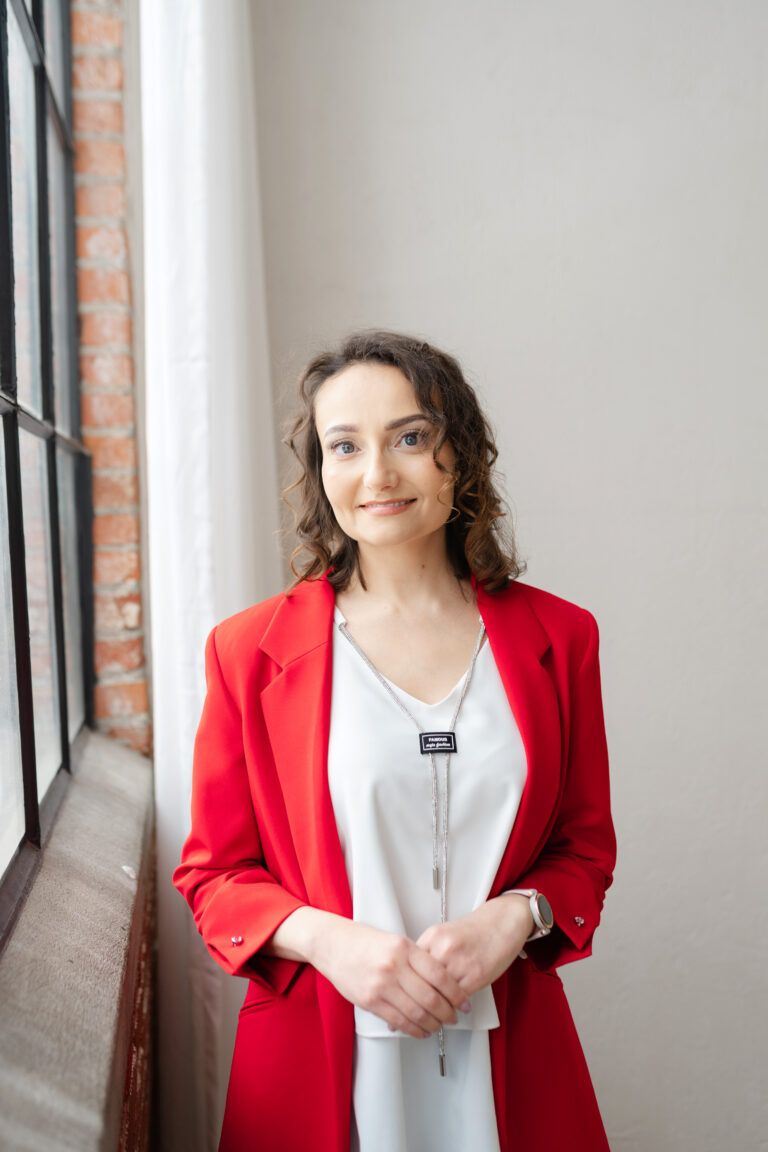
As a Registered Psychotherapist in Newmarket, I work with adults, teens, and families who are ready to stop managing their anxiety and start genuinely changing it. My approach draws on CBT, ACT, somatic nervous system work, and mindfulness-based therapy, all shaped around what you specifically are dealing with, not a generic template. No waitlist, and sessions are available virtually across Ontario.
If you are not sure where to start, the free 15-minute consultation call is the right first step. No commitment, no pressure.
No Waitlist
Start this week.
Free 15-min call
No commitment
Day & Evening
Flexible hours
Virtual
All of Ontario
What Anxiety Actually Looks Like Day to Day
You already know what anxiety feels like. So instead of describing it back to you, I want to name some of the things my clients tell me in their first session, because sometimes hearing it said plainly is the first moment of relief.
If any of that sounds familiar, you’re in the right place.
“I can’t switch my brain off at night.”
“I know I’m being irrational, but I can’t stop the thoughts.”
“I’m exhausted, but I can’t rest.”
“I’ve started avoiding things just to get through the day.”
How Anxiety Shows Up, Emotional, Mental, and Physical.
Anxiety shows up differently for everyone. These are the patterns I see most consistently in the people I work with in Newmarket and across York Region.
Emotional & Cognitive Symptoms
- Persistent worry that won't quiet down, even when nothing is actually wrong
- Racing or intrusive thoughts that loop without resolution
- Difficulty concentrating, making decisions, or feeling mentally clear
- That constant low-level sense of dread, waiting for the other shoe to drop
- Fear of losing control, embarrassing yourself, or something terrible happening
Physical symptoms
- Tight chest or shortness of breath that has no medical explanation
- A heart that races or skips when nothing is happening
- Muscle tension, jaw clenching, headaches you can't shake
- Digestive problems, nausea, or IBS that flares with stress
- Bone-deep fatigue from a nervous system that never fully powers down
- Waking at 3 am with your mind already going
Many of the people I work with in Newmarket describe years of managing these symptoms alone before reaching out. If that’s you, I want you to know that wasn’t weakness. It was you doing the best you could with the tools you had. Therapy gives you better tools.
Living in York Region adds its own layer to this. The GTA commutes, the cost of housing, the pressure of raising kids while holding down careers, the particular kind of loneliness that can come with living in a community that’s still finding its roots, these things accumulate. They show up in the body and the mind in very specific ways, and they shape the kind of anxiety work that’s most useful.
Types of Anxiety I Work With
Anxiety isn’t one thing. The way it shows up for you and the most effective path through it depend on what kind of anxiety you’re experiencing. Here is what I commonly work with in my Newmarket practice.
Generalised Anxiety Disorder (GAD)
This is the constant, wide-ranging worry that touches everything: your health, your finances, your relationships, the future, and your performance at work. You might know intellectually that the worry is disproportionate. Knowing that doesn’t make it stop. According to Statistics Canada’s 2022 Mental Health Survey, the rate of GAD in Canadian adults has doubled since 2012. You are far from alone in this.
Panic Disorder and Panic Attacks
The racing heart, the shortness of breath, the feeling that something is catastrophically wrong, panic attacks are one of the most frightening anxiety experiences precisely because they feel so physical. Many people I work with spent months wondering if something was medically wrong before they got here. Once panic disorder takes hold, avoidance tends to follow, quietly making your world smaller.
Many people I work with spent months wondering if something was medically wrong before they understood what a panic attack actually is and how it differs from an anxiety attack.
Social Anxiety
The fear of being judged, embarrassed, or humiliated in social or performance situations. Social anxiety is regularly mistaken for introversion or shyness, which means many people live with real distress for years before they recognise it as something that can be treated.
Health Anxiety
When a symptom spirals into certainty that something is seriously wrong, and no amount of reassurance, checking, or Googling makes it better. Health anxiety is exhausting in a particular way because the relief never lasts long enough.
Anxiety in Teens and Adolescents
Academic pressure, social media, and the weight of figuring out who you are during adolescence is one of the most anxiety-prone periods of life, and teens often don’t have the language yet to explain what they’re carrying. I work with young people in Newmarket in a way that meets them where they are, and I involve parents in a way that supports rather than undermines the process. If you are a parent wondering whether your teenager’s struggles go beyond typical adolescent stress, teen and adolescent therapy in Newmarket may be worth exploring.
Anxiety in York Region
GTA commutes, housing costs, raising kids while holding down careers. These accumulate and they show up in the body and mind in specific ways, and shape the kind of anxiety work that is most useful.
How I Work With Anxiety
I draw on four evidence-based approaches, and I integrate them based on what your specific presentation actually needs, not a formula.
Cognitive Behavioural Therapy (CBT)
CBT is the most extensively researched anxiety treatment available. In our sessions, we work together to identify the thought patterns that are fuelling your anxiety, the catastrophising, the “what if” spirals, the way your brain overestimates threat and underestimates your ability to cope. Then we change them. CBT also includes behavioural work: gradually and safely doing the things you’ve been avoiding, so anxiety loses its grip rather than growing through avoidance.
Acceptance and Commitment Therapy (ACT)
Some clients have spent years trying to think their way out of anxiety and found that fighting the thoughts only makes them louder. ACT takes a different approach. Rather than challenging anxious thoughts, we change your relationship with them. You learn to observe them without being controlled by them, and to move toward the life you want, even when anxiety is still present. ACT helps anxiety take up less space, not by eliminating it, but by reducing how much authority it has over your choices.
Mindfulness-Based Therapy
Anxiety lives in the future. Mindfulness brings you back to now. Drawing on Mindfulness-Based Cognitive Therapy (MBCT), I help you develop the ability to observe anxious thoughts as mental events, not facts, which interrupts the rumination cycle that keeps anxiety running in the background.
Somatic Awareness and Nervous System Regulation
Anxiety isn’t just in your mind. It’s in the tightness in your chest, the shallow breathing, the way your body never quite feels settled. Somatic work addresses anxiety at the physiological level, building your capacity to recognize and regulate your nervous system’s threat response, so that the body stops sending danger signals when you’re actually safe.
Most clients begin to notice a real shift within 8 to 12 sessions. I check in on your progress regularly, and I adjust the approach as your needs change.
What to Expect When We Work Together
Your first session is 50 minutes. We use it to understand your anxiety history, your current experience, and what you most want to change. You don’t need to arrive with a diagnosis or a prepared explanation. Many people begin with nothing more than “I just can’t keep going like this”, and that is exactly enough.
From session two onward, sessions have a consistent rhythm: we look at what’s shifted, we identify what’s still active, we practise specific techniques, and we build your toolkit for using these skills in your actual daily life, not just in a therapy room.
Anxiety Therapy with Maria | Self-Help Only | Medication Alone | |
Addresses root thought patterns | ✓ | Partial | ✗ |
Builds long-term coping skills | ✓ | Partial | ✗ |
No waitlist | ✓ | N/A | Varies |
virtual options | ✓ | N/A | N/A |
Evening appointments available | ✓ | N/A | Rarely |
Extended benefits coverage | ✓ | ✗ | Varies |
Tailored to your anxiety type | ✓ | ✗ | ✗ |
Does It Actually Work?
60-80%
of people with anxiety disorders see significant, lasting improvement with CBT
Source: Anxiety Canada
Yes. Anxiety is one of the most treatable mental health conditions, and the evidence behind it is some of the strongest in the field. According to Anxiety Canada, CBT produces significant, lasting improvement in 60 to 80 per cent of people with anxiety disorders, with benefits that outlast the therapy itself.
What I’ve seen in my own practice reflects that. Most people who come to me believing their anxiety is just who they are leave understanding that it’s something they learned to do, a response pattern that developed for understandable reasons, and can genuinely change. That shift in understanding is often the turning point.
If you have spent years believing this is just how you are wired, I would like to show you otherwise.
You've been managing this long enough.
Let's actually change it.
No waitlist. Most clients start within the same week as their consultation call.
- Sessions from $150
- Extended benefits accepted
- In-person & virtual
- Day & evening hours
Frequently Asked Questions
Everything you need to know before booking your first session.
How much does anxiety therapy cost in Newmarket?
My sessions are $150 per 50-minute appointment. Many extended health benefit plans in Ontario cover sessions with a Registered Psychotherapist check your plan under “Psychotherapy” or “Registered Psychotherapist (RP).” I provide a receipt after every session that you can submit directly to your insurer.
How many sessions will I need?
Most clients see meaningful progress within 8 to 12 sessions. Anxiety that’s been present longer, or that’s connected to trauma or major life stressors, may benefit from 16 to 20 sessions. I review your progress regularly, and there’s no pressure to continue beyond what feels right for you.
Do you offer virtual therapy?
Yes. I offer secure virtual sessions to clients anywhere in Ontario, with the same structure and effectiveness, day or evening.
Is there a waitlist?
No. I currently have no waitlist. You can book a free 15-minute consultation and typically begin your first full session within the same week.
What if I've tried therapy before and it didn't help?
This is one of the most common things I hear. A lot of people arrive after a previous experience that felt too slow, too vague, or too focused on talking without building practical skills. The combination of approaches I use, CBT, ACT, and somatic work, tends to feel more structured and more actionable, and clients who felt stuck elsewhere often find a different outcome here.
Can you treat anxiety and depression at the same time?
Yes. They co-occur frequently; more than half of people with an anxiety disorder also experience depression at some point. I work with both simultaneously using an integrated approach that addresses the thought patterns, avoidance, and nervous system dysregulation driving both. If low mood and withdrawal are part of your experience alongside anxiety, take a look at how I approach depression therapy in Newmarket.