


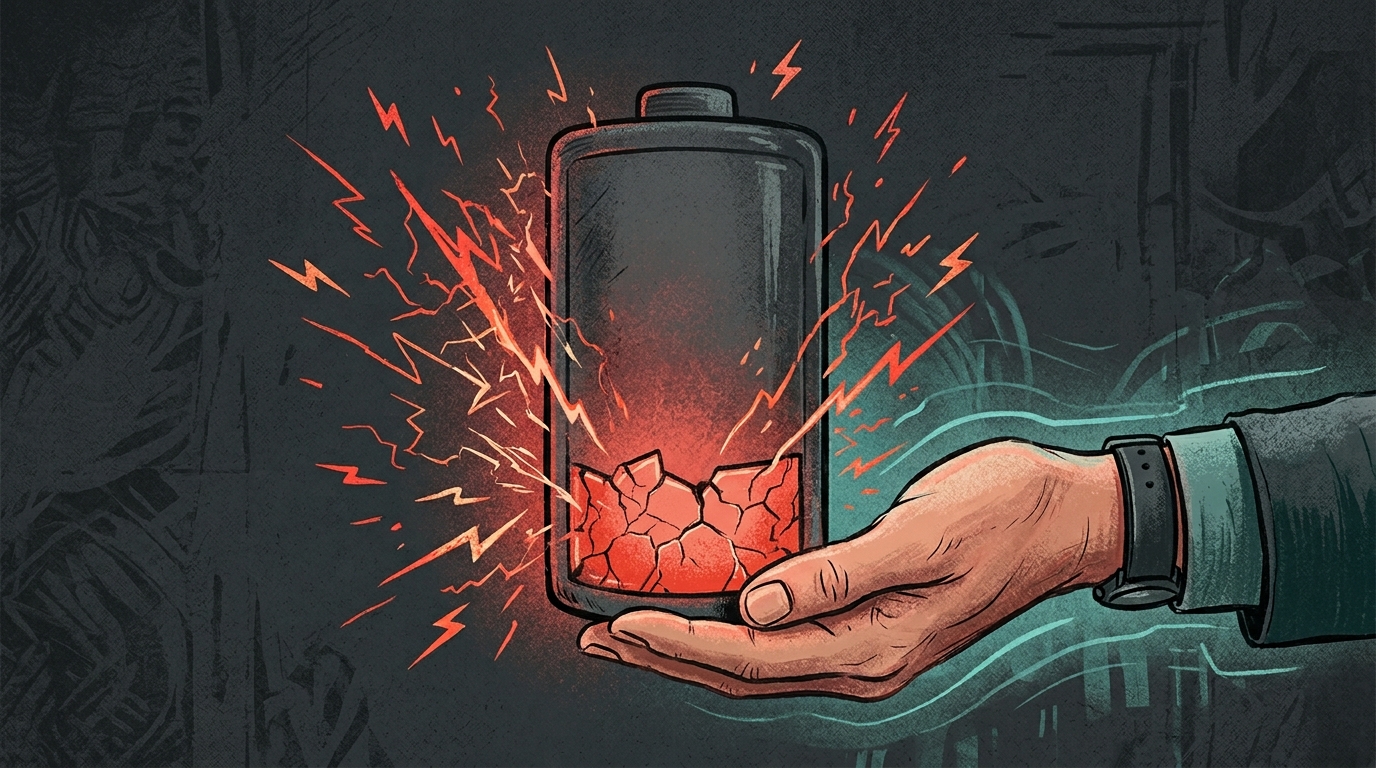
ADHD in a marriage often manifests as an invisible third party, creating a “parent-child dynamic” that erodes intimacy and co-parenting alignment. While the partner without ADHD may feel overburdened by the household “mental load,” the partner with ADHD often feels chronically criticized or “nagged.” Research suggests that couples affected by ADHD are twice as likely to experience marital dysfunction, yet with neuro-affirming systems, these couples can move from resentment to a collaborative partnership.
The “Parent-Child” Trap in ADHD Marriages
One of the most damaging patterns in neurodivergent relationships is the transition from partners to a “manager-employee” or “parent-child” dynamic.
- The Non-ADHD Partner: Often assumes 70–90% of the “scut work” (planning, reminding, organizing), leading to deep resentment and “Compassion Fatigue.”
- The ADHD Partner: Feels micromanaged and defensive, often due to Rejection Sensitive Dysphoria (RSD), a clinical symptom where perceived criticism triggers intense emotional pain.
The Impact on Co-Parenting Satisfaction
Co-parenting requires high-level Executive Functioning: tracking school schedules, managing emotional outbursts, and maintaining consistent routines. When one parent struggles with time blindness or forgetfulness, the co-parenting alliance often fractures.
- Inconsistency: Children may receive different rules from each parent, leading to confusion and instability.
- The “Primary Parent-itis”: The non-ADHD parent becomes the “default” for all logistics, leading to burnout and a lack of “united front” when discipline is needed.
Strategies for Rebuilding the Partnership
To restore marriage satisfaction, couples must move away from “trying harder” and start “trying differently.”
1. The Strengths-Based Division of Labor
Instead of splitting chores 50/50 (which often fails), split them by Dopamine Affinity.
- The ADHD Partner: May thrive on high-stimulation tasks like grocery shopping, cooking complex meals, or active playtime with the kids.
- The Non-ADHD Partner: May excel at “linear” tasks like bill paying, calendar management, and long-term planning.
2. Externalizing the “Nag”
Remove the human element from reminders. Use shared digital tools (like Cozi or Trello) so the phone is the one “nagging” the partner, not the spouse. This reduces the risk of RSD triggers and preserves the romantic bond.
3. Creating “Logistics-Free” Zones
Schedule weekly “Logistics Meetings” (20 minutes) to discuss the calendar and chores. Outside of this time, logistics are off-limits. This allows the couple to focus on emotional intimacy and connection rather than household management.
References
- Barkley, R. A., Murphy, K. R., & Fischer, M. (2008). ADHD in Adults: What the Science Says. The Guilford Press.
- Wymbs, B. T., et al. (2021). Marital and Coparenting Relationships: Associations with Parent and Child ADHD Symptoms. Journal of Family Psychology.
- ADDitude Magazine. (2024). ADHD Marriage: Statistics, Trends, and Personal Stories. https://www.additudemag.com
- Robin, A. L., & Payson, E. (2002). The Impact of ADHD on Marriage. The ADHD Reports.