



For years, the “office” was a consistent, predictable place. Today, in the wake of hybrid models and “hot-desking” (where you no longer have a dedicated desk), the GTA workplace can feel like a minefield for someone with social anxiety.
Whether you’re commuting on the GO Train to Union Station or heading into a tech hub in Kitchener-Waterloo, the pressure to “be on” after years of remote work is a significant hurdle.
The New Office Anxiety: What’s Changed?
The 2026 workplace has introduced new social “scripts” that can be exhausting for the anxious mind:
- The “Hot-Desk” Lottery: Not knowing where you will sit or who you will be next to can trigger “hypervigilance.”
- Hybrid Meeting Etiquette: The “half-in, half-out” meeting creates a fear of being overlooked or accidentally interrupting colleagues on screen.
- Re-learning Small Talk: After years of digital-only interaction, the “watercooler chat” feels high-stakes and performative.
Strategies for a Confident Re-entry
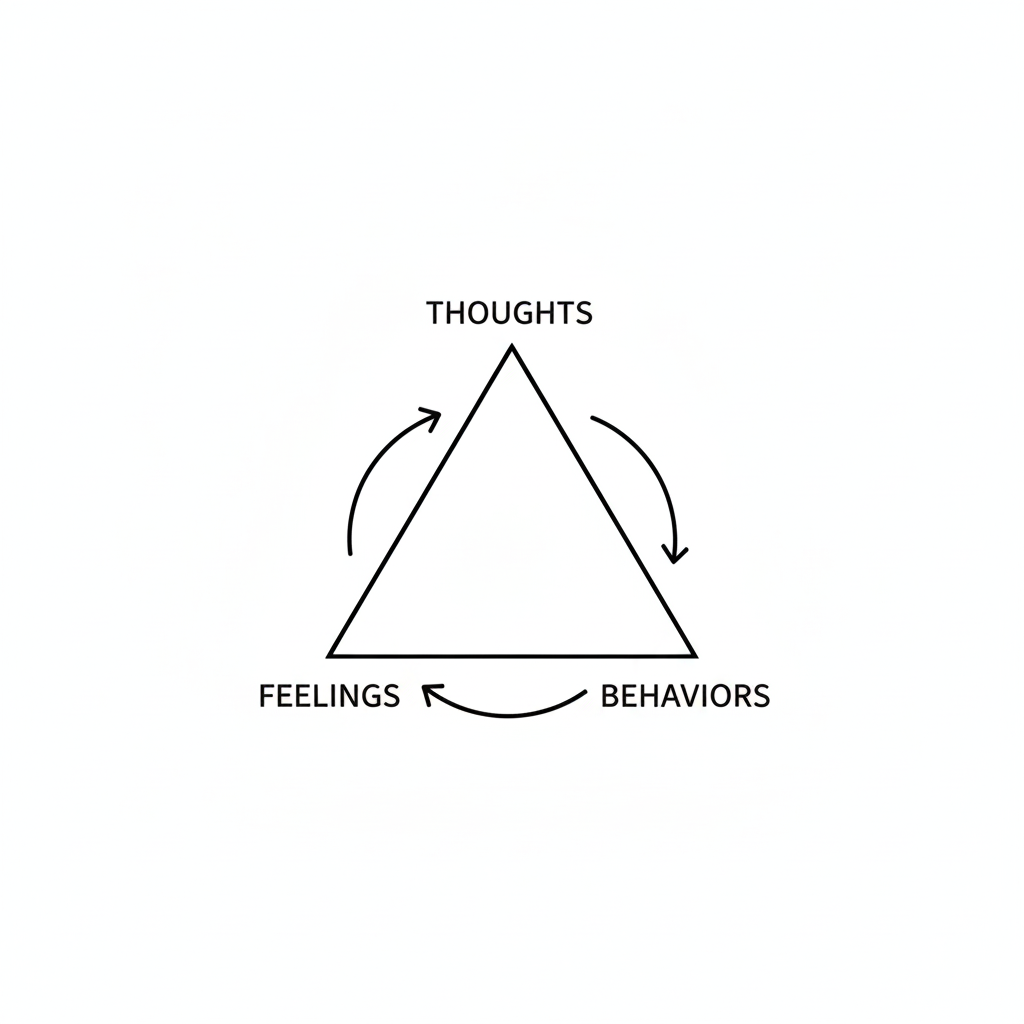
Social anxiety often stems from predictive thoughts (e.g., “They think I’m awkward”). The key is to challenge these thoughts with small, manageable actions.
Use the “Small Exposure” Method
Don’t wait for your first 8-hour day to test your social battery.
- The Practice: Schedule a 15-minute “coffee catch-up” with one trusted colleague before your first official office day.
- The Goal: To prove to your brain that social interaction is safe in small doses.
Name Your Worries (Name It to Tame It)
Research from UCLA shows that simply labeling your emotion saying “I am feeling anxious about this meeting,” slows down the brain’s amygdala response.
- Try this: Write down your top three “office worries” on your commute. Seeing them on paper often makes them feel less like facts and more like manageable hurdles.
Set Digital Boundaries
Just because you are back in the office doesn’t mean you have to be “available” every second.
- Action: Use your “Focus Mode” on Slack or Teams. It signals to colleagues that you are working, reducing the pressure of immediate, spontaneous “stop-bys” at your desk.
Advocacy: Communicating Your Needs
In Ontario, the Human Rights Code protects your right to a psychologically safe workplace. You don’t need to share your full diagnosis to ask for what you need.
- The Script: “I find I’m most productive when I have a quiet morning to focus. I’ll be available for in-person collaboration between 1 PM and 4 PM.”
External Resources & Support in Ontario
If your social anxiety is preventing you from reaching your professional potential, these Ontario-based resources can help:
- Ontario Structured Psychotherapy (OSP): Free CBT-based support for social anxiety. Access OSP here.
- CAMH Social Anxiety Disorder Clinic: Specialized assessment and treatment for those in the Toronto area. Visit CAMH.
- Canadian Mental Health Association (CMHA) – Ontario: Offers workshops on “Return to Work” anxiety and workplace mental health. CMHA Ontario Resources.
- Wellness Together Canada: For immediate 24/7 mental health and substance use support. Call 1-866-585-0445.
Clinical Insight
“We often forget that social skills are like muscles; if you don’t use them for two years, they will feel ‘weak’ or ‘stiff’ when you start again. Give yourself permission to ‘feel weird’ for a while. Everyone in that GTA office is re-learning how to be a human in public; you aren’t the only one feeling the rust.”