

In Ontario, we often joke about “The Grey,” that stretch of time between November and April where the sun feels like a distant memory. But for thousands of Ontarians, this isn’t just a weather pattern; it is a clinical shift in mental health.
While Seasonal Affective Disorder (SAD) is typically associated with low energy and sadness, it frequently presents as heightened anxiety, restlessness, and “brain fog.”
The Science: Why Ontario Winters Trigger Anxiety
Living in northern latitudes like Ontario (especially if you are in the GTA, Ottawa, or further North) means significant disruptions to your biological clock.
- Circadian Rhythm Disruption: The lack of morning sunlight confuses your internal clock, making it harder to wake up and harder to wind down, leading to “tired but wired” anxiety.
- The Serotonin Drop: Sunlight helps regulate serotonin, our “feel-good” neurotransmitter. When serotonin drops, anxiety levels often rise.
- The Melatonin Overload: In response to the darkness, our bodies produce more melatonin, which can lead to the sluggishness and irritability often mistaken for simple laziness.
Signs You’re Experiencing “Winter Anxiety”
In Ontario, SAD and anxiety often overlap in specific ways:
- Restlessness: Feeling a sense of “cabin fever” or an inability to relax.
- Social Withdrawal: Anxious thoughts about social obligations during the holidays or cold weather.
- Increased “Dread”: A feeling of heaviness or doom that begins as soon as the sun starts to set at 4:30 PM.
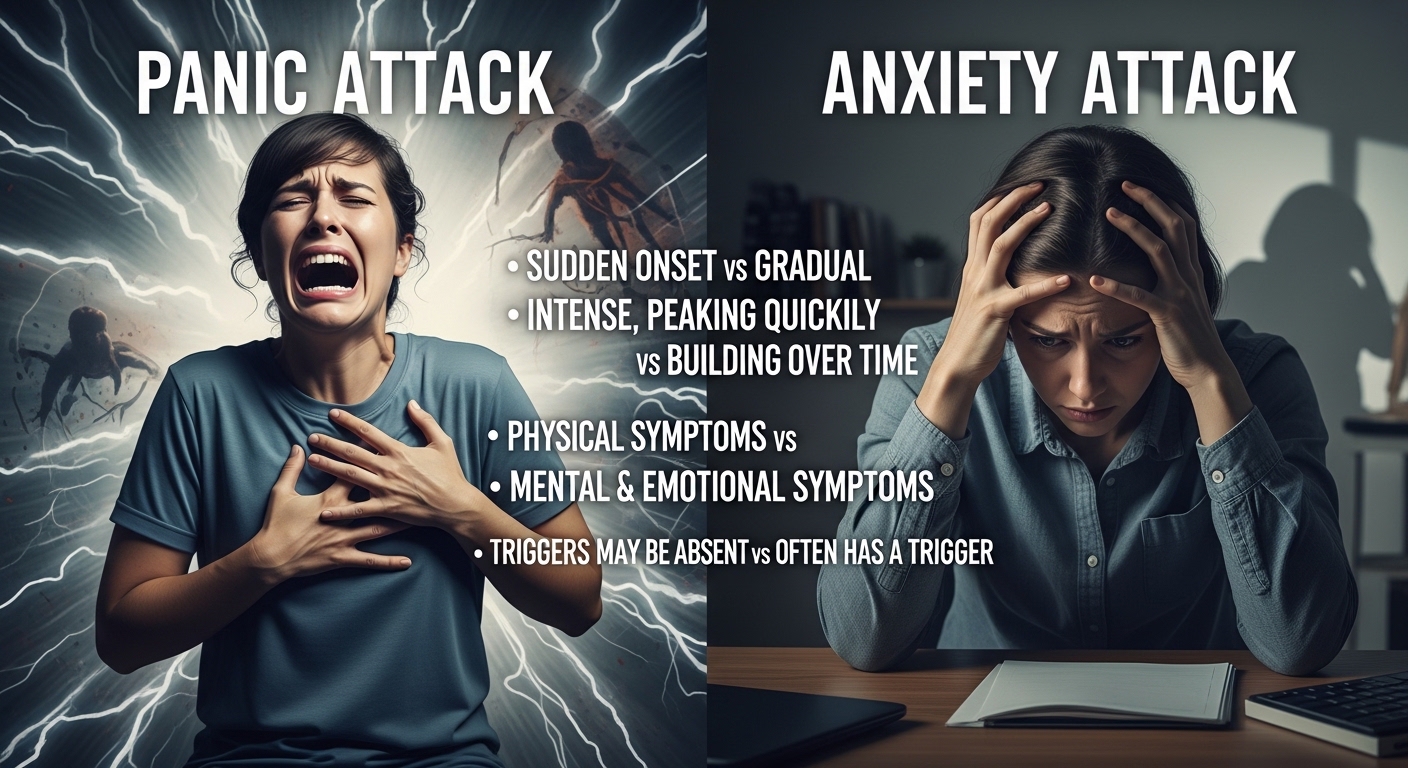
- Carbohydrate Craving & Panic: Blood sugar spikes from winter “comfort foods” can mimic the physical symptoms of a panic attack.
The Ontario Survival Toolkit
Managing winter anxiety in a climate like ours requires a proactive, multi-pronged approach.
Light Therapy (The 10,000 Lux Rule)
A SAD lamp isn’t just a desk accessory; it’s a clinical tool. Using a 10,000 Lux light box for 20–30 minutes every morning can help reset your circadian rhythm.
- Tip: Start using it in October before the clocks change to stay ahead of the shift.
The “Vitamin D” Factor
Because of our latitude, Ontarians cannot synthesize Vitamin D from the sun between October and April. Low Vitamin D is strongly linked to both depression and anxiety. Consult with your doctor about a supplement dose that is right for you.
Behavioral Activation (The “Out-Winter” Strategy)
Anxiety thrives in isolation. Even though the wind chill might be -20°C, getting outside for 15 minutes during the “peak sun” hours (noon to 1:00 PM) can significantly lower cortisol levels.
When to Seek Therapy
If your “winter blues” make it difficult to function at work, maintain relationships, or if you find yourself using substances to cope with the long nights, it may be time to speak with an Ontario-regulated therapist.
Techniques like Cognitive Behavioral Therapy (CBT) are highly effective at challenging the “all-or-nothing” thinking that often accompanies seasonal shifts (e.g., “I’ll never feel better until May”).
Clinical Insight
“In Ontario, we see a massive spike in therapy inquiries right after the ‘clocks fall back’ in November. I always tell my clients: You aren’t losing your progress; your biology is responding to an environment of scarcity. We don’t need to ‘fix’ the winter, but we can fix your tools for navigating it.”
External Medical Sources
- CAMH: Seasonal Affective Disorder FAQ.
- Canadian Mental Health Association (CMHA): SAD Resources.
- Mayo Clinic: Light Therapy for Seasonal Depression.